
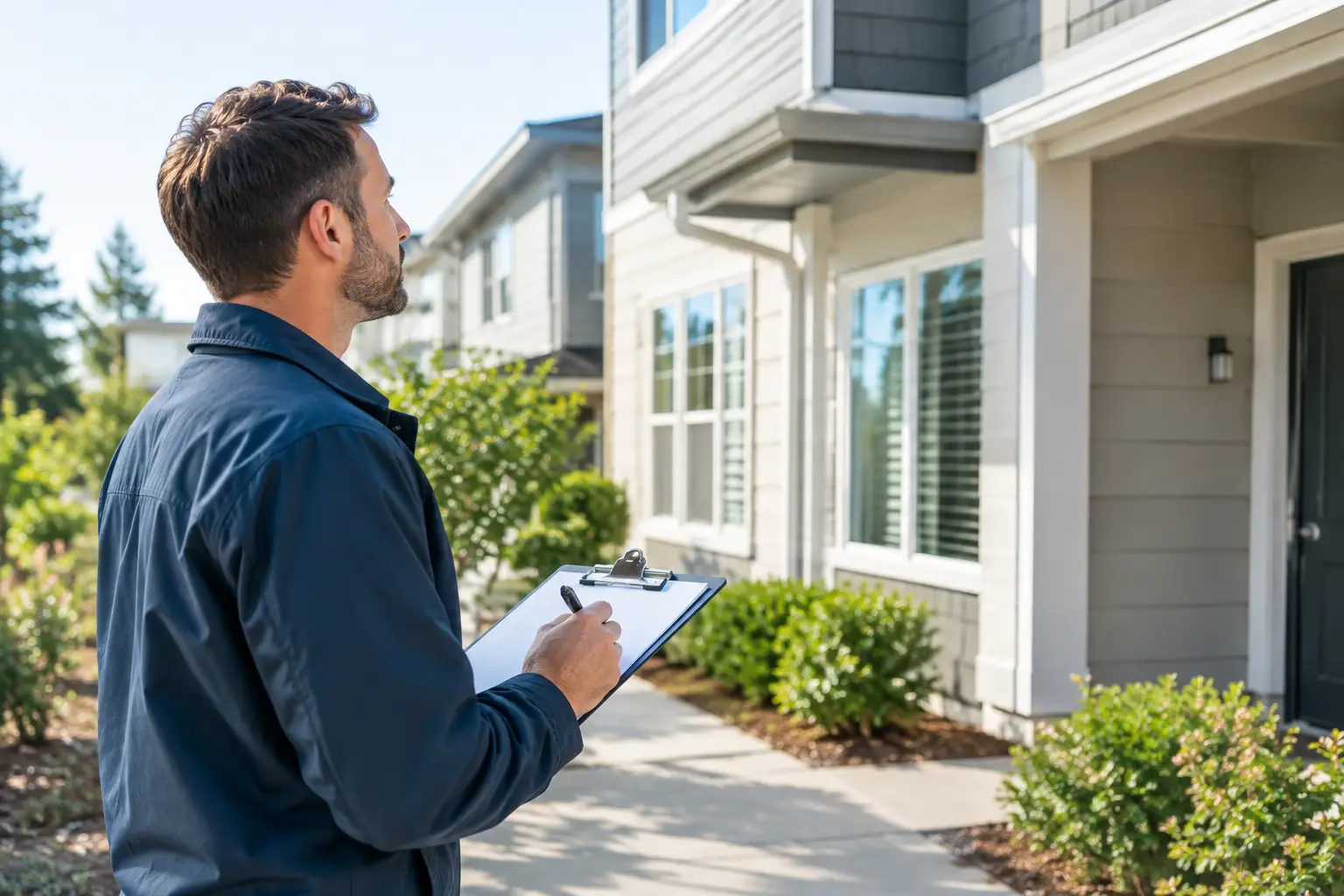
A slow leak under a bathroom vanity can become a damaged cabinet, flooring replacement, mold concern, and frustrated tenant before an owner ever sees a higher water bill. Regular rental property inspections are designed to catch concerns at the manageable stage, when a prompt repair protects both the home and the relationship with the resident.
For owners in Glendale, Burbank, Pasadena, Greater Los Angeles, and the San Fernando Valley, inspections are not about looking for reasons to penalize tenants. They are a disciplined part of protecting an investment. Done professionally, they create a clear record of property condition, identify maintenance needs early, and help ensure the home remains safe, functional, and well cared for.
Why Rental Property Inspections Matter
A rental home experiences daily use. Appliances age, caulking fails, trees grow, roof drains collect debris, and small plumbing or electrical problems can develop without obvious warning. Tenants may report urgent issues quickly but may not recognize a minor concern that deserves attention, such as a loose handrail or deteriorating weatherstripping.
An inspection gives the owner or property manager an opportunity to see the property as a whole. It helps separate routine maintenance from tenant-caused damage, documents the condition of important systems, and supports better repair planning. That record can be particularly valuable at move-out, when security deposit decisions must be supported by clear documentation and handled according to applicable California requirements.
There is also a financial reason to be consistent. Deferred maintenance is rarely less expensive later. A small roof issue, neglected exterior drainage problem, or appliance installation concern can lead to repairs that cost far more than an early service call. Regular inspections help owners make informed decisions before a condition affects rental income, habitability, or the property’s long-term value.
The Right Inspection Schedule Depends on the Property
There is no single schedule that fits every rental. A recently renovated condominium with a long-term tenant may need a different approach than an older single-family home with mature landscaping, exterior stairs, and multiple aging systems. The lease terms, property condition, tenant history, and recent maintenance activity should all guide the plan.
Move-In Inspections Set the Baseline
The move-in inspection is the most important point of comparison for the entire tenancy. Before a new resident takes possession, the property condition should be documented carefully with written notes and dated photographs. This includes walls, flooring, windows, appliances, fixtures, cabinets, smoke and carbon monoxide alarms, outdoor areas, and any existing cosmetic wear.
A thorough baseline protects everyone. Tenants understand the condition of the home when they receive it, and owners have reliable documentation when reviewing the property at move-out. If a repair is needed before occupancy, it can be completed before it becomes a resident inconvenience.
Routine Inspections Catch Small Problems Early
Periodic occupied-property inspections provide a practical check on the home between move-in and move-out. The goal is not to disrupt a tenant’s privacy or conduct an overly intrusive review. It is to identify visible maintenance concerns, confirm that the property is being reasonably cared for, and address conditions that could worsen with time.
The frequency should be reasonable and consistent with the management agreement, lease, and legal notice requirements. Owners should never assume they can enter simply because they own the property. Access must be handled professionally, with proper notice and a legitimate reason for entry under applicable law.
Seasonal Exterior Reviews Are Often Worthwhile
Southern California properties have their own maintenance demands. Heat, dry conditions, occasional heavy rain, wind, and hillside or drainage considerations can affect a home’s exterior. A seasonal review may focus on roof and gutter conditions, irrigation leaks, tree growth, fences, exterior paint, walkways, drainage, and signs of pest activity.
For single-family rentals, exterior reviews can be especially useful because small landscape or drainage issues can become owner expenses quickly. For condos and townhomes, some exterior responsibilities may belong to the homeowners association, but the owner still benefits from knowing when an issue needs to be reported or followed up on.
Move-Out Inspections Support a Fair Turnover
At move-out, the property should be compared with the move-in documentation. This is where clear records matter most. Normal wear from ordinary use is different from damage, and that distinction should be made carefully. Faded paint, minor carpet wear, and aging finishes may be part of normal use, while holes in walls, unauthorized alterations, or broken fixtures may require further review.
A professional move-out process also helps owners prepare for the next tenant. Repairs, cleaning, paint touch-ups, and vendor scheduling can begin quickly, reducing avoidable vacancy time while maintaining a high standard for the next resident.
What a Professional Inspection Should Review
The best inspections are systematic rather than casual walk-throughs. A consistent checklist helps ensure that major areas are reviewed and that no important condition is overlooked. The exact scope varies by property, but a professional review commonly considers:
- Interior surfaces, doors, windows, flooring, cabinets, and fixtures
- Plumbing signs such as leaks, water damage, slow drains, and toilet or faucet concerns
- Appliances, heating and cooling equipment, ventilation, and visible electrical issues
- Required safety items, including smoke and carbon monoxide alarms where applicable
- Exterior conditions such as drainage, fences, walkways, roofing observations, and landscaping
- Lease-related concerns that may require follow-up, including unauthorized occupants, pets, or alterations
An inspection should produce more than a verbal impression. Owners benefit from a written report, dated photos when appropriate, a clear list of recommendations, and an explanation of what requires immediate action versus monitoring. This creates transparency and allows the owner to retain control over significant repair decisions.
Inspections Work Best When Communication Is Respectful
Tenants are more likely to report concerns early when they know maintenance requests will be handled fairly and promptly. The inspection process should reinforce that trust. Clear advance notice, a professional arrival window, respectful interaction, and timely follow-up all matter.
If a resident raises an issue during an inspection, the next step should be clear. Is it an emergency repair? A routine work order? An owner decision that requires an estimate? Leaving a tenant without an update after identifying a concern creates unnecessary frustration and can allow the condition to worsen.
This is where experienced property management adds value. A manager can coordinate access, document conditions, communicate with tenants, obtain vendor recommendations or estimates, and keep the owner informed without requiring the owner to manage every call. At Opus Property Management, the objective is simple: protect the asset while giving the owner visibility and final control over meaningful property decisions.
Avoid These Common Inspection Mistakes
The biggest mistake is waiting until a tenant gives notice to see the property again. By then, a small problem may have become a costly repair, and the turnover timeline may be under pressure. Another mistake is treating every issue as tenant damage without reviewing the facts, the move-in records, and ordinary wear.
Owners should also avoid vague documentation. A note that says “bathroom needs attention” does not help much months later. A useful report identifies the location, condition, recommended action, urgency, and supporting photos when needed.
Finally, do not let inspections become an excuse for poor access practices. California landlords must respect tenant privacy and comply with applicable notice and entry rules. A structured process protects the owner, but it should also protect the resident’s right to quiet enjoyment of the home.
A well-run inspection program gives owners fewer surprises and better choices. When property conditions are documented, maintenance is addressed promptly, and tenants are treated with professionalism, a rental home is easier to operate, easier to turn over, and better positioned to hold its value over time.