
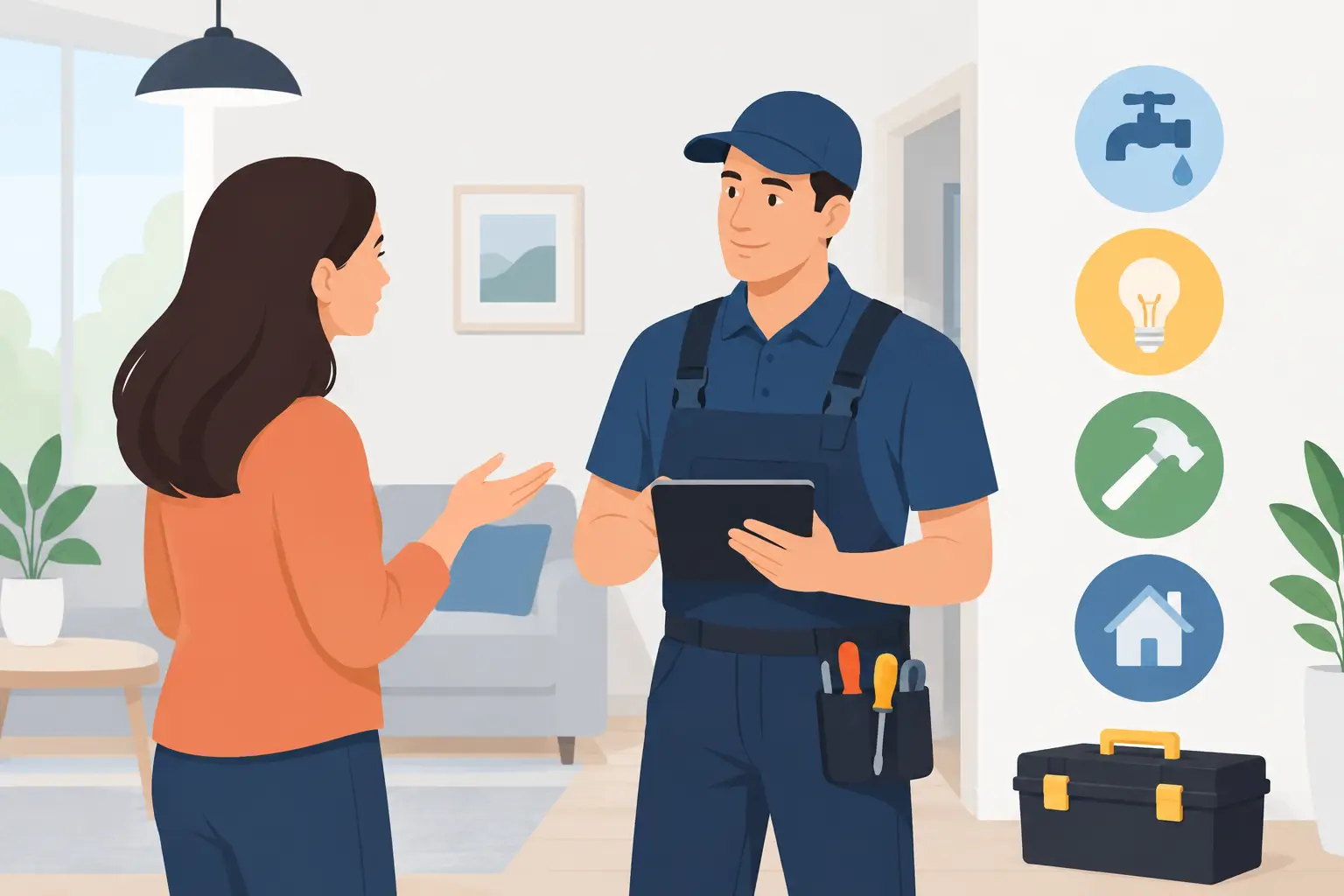
A repair request can look minor at 8:00 a.m. and become a costly loss by dinner. A small leak can damage cabinets, a failed heater can create a habitability concern, and a tenant who feels ignored may stop reporting issues until the damage is far more expensive. Knowing how to handle tenant repair requests protects the property, supports a good tenant relationship, and gives owners a clear record of how each decision was made.
For rental owners, the goal is not to approve every request without question. It is to respond consistently, identify what is urgent, use qualified help, control costs, and keep the tenant informed. That balance is especially valuable when you own property from a distance, have a demanding career, or manage several units across Greater Los Angeles.
Start With One Clear Reporting Process
Tenants should know exactly where and how to submit maintenance requests. A written process prevents scattered text messages, voicemail confusion, and disputes over whether a problem was reported. Ask tenants to provide the unit address, a description of the issue, when it began, whether it is getting worse, and clear photos or video when practical.
A good request process also separates emergencies from routine work. Tenants need a reliable after-hours method for reporting active flooding, gas odors, fire hazards, loss of essential utilities, or conditions that make the home unsafe. For a life-threatening emergency, tenants should be instructed to contact emergency services first.
Document every request when it arrives. Record the date and time, the tenant’s description, photos, messages, assigned vendor, estimates, approvals, invoices, and completion notes. This history helps protect the owner if there is ever a disagreement about timing, responsibility, or the condition of the property.
How to Handle Tenant Repair Requests by Priority
Not every repair deserves the same response time. The fastest way to make sound decisions is to sort requests into practical categories based on safety, risk of property damage, and impact on essential living conditions.
Emergency repairs require immediate action
An emergency is a condition that threatens people or can quickly cause significant property damage. Examples include an active water leak, sewage backup, suspected gas leak, electrical sparking, fire damage, a broken exterior door lock, or no heat during cold weather. These situations call for immediate tenant communication and dispatch of an appropriate licensed or qualified vendor.
Do not wait for multiple bids when delay could make the damage worse. A plumber stopping a leak promptly may cost less than repairing flooring, drywall, cabinetry, and mold-related damage later. Set an emergency spending limit in advance with your property manager, while allowing reasonable action above that limit when it is necessary to protect the home.
Urgent repairs should move quickly
Urgent requests may not be immediate emergencies, but they should not sit unanswered. A malfunctioning refrigerator supplied with the rental, a clogged toilet in a one-bathroom unit, a failed water heater, or a broken air conditioner during extreme heat may require prompt scheduling.
The right timing depends on the condition, the lease, and local requirements. What matters operationally is that the tenant receives a response, understands the next step, and has a realistic service window. Silence creates frustration even when a repair is already being arranged.
Routine maintenance needs a planned response
Dripping faucets, loose cabinet hardware, damaged window screens, slow drains, and cosmetic wear usually fall into the routine category. These requests should still be acknowledged quickly and scheduled within a reasonable timeframe, but they can often be grouped with other work to control vendor trip charges.
Grouping work is useful when it does not leave a condition unresolved for too long. For example, scheduling several non-urgent items during one vendor visit can lower costs. It is not a reason to postpone a repair that could lead to water damage, security issues, or a larger mechanical failure.
Confirm Responsibility Before Authorizing Work
A tenant report is the starting point, not always the final diagnosis. Review the lease, inspect when needed, and ask the vendor to identify the likely cause before assigning responsibility. Normal wear, aging systems, and failures in owner-provided appliances are generally owner expenses. Damage caused by misuse, neglect, or an unauthorized alteration may be charged to the tenant when the lease and applicable law support it.
For example, a worn garbage disposal may be an owner repair, while a disposal damaged by prohibited items could require a different conversation. The facts matter. Avoid making assumptions or sending a tenant a charge before you have photos, a service report, and a documented basis for the decision.
California rental housing rules can involve habitability, notice, access, and repair obligations that vary with the circumstances. Owners should use a current lease, follow applicable local and state requirements, and seek legal guidance when a dispute, access refusal, or potentially serious habitability issue arises. A maintenance process should support compliance, not replace professional legal advice.
Use Qualified Vendors and Written Approval Rules
The cheapest quote is not always the lowest-cost decision. An unlicensed or uninsured contractor can expose an owner to poor workmanship, repeat repairs, injuries, and liability. Build a vendor network that includes responsive plumbers, electricians, HVAC technicians, handymen, restoration specialists, roofers, and locksmiths. Verify qualifications appropriate to the job and keep insurance and license information current where required.
Set approval rules before the first call comes in. Owners should decide which repairs can be authorized automatically, which require an estimate, and which require direct owner approval. A reasonable approval threshold gives the manager room to act quickly on ordinary maintenance while preserving the owner’s authority for larger expenses.
For higher-cost work, request a scope of work that explains the problem, recommended repair, materials, labor, warranty, and expected timing. In some cases, one quote is enough, particularly for a true emergency or a specialized repair. For non-urgent major work, comparing qualified bids can protect the budget. The trade-off is time: getting three estimates makes sense for a planned replacement, but not when a water line is actively leaking inside a wall.
Communicate With the Tenant Until the Work Is Complete
Tenants do not expect every repair to be completed instantly. They do expect to know that someone is taking responsibility. Send an acknowledgment when the request is received, explain whether the issue has been classified as emergency, urgent, or routine, and provide the expected next step.
Once a vendor is scheduled, confirm the appointment window and any access instructions. If the tenant must be present, say so clearly. If the vendor will enter with proper notice and key access, communicate that process in advance. Respectful coordination reduces missed appointments and avoids unnecessary return-trip charges.
After the work is completed, confirm that the issue was resolved. Ask the tenant to report promptly if the problem continues. A vendor invoice marked complete is useful, but it does not always tell you whether the repair fully solved the tenant’s concern.
Protect the Asset With Inspections and Preventive Maintenance
The most efficient repair request is the one prevented before it disrupts a tenancy. Regular inspections and seasonal maintenance help identify failing caulking, roof concerns, drain issues, smoke detector needs, HVAC performance problems, and appliance wear before they become urgent calls.
Preventive maintenance also creates a better ownership record. If a water heater is aging, a planned replacement may be easier to budget and schedule than an emergency replacement after a failure. If a roof shows early signs of deterioration, targeted repair can be less expensive than waiting for an interior leak.
Keep repair records organized by property and unit. Over time, those records show patterns: a recurring plumbing backup, an appliance near the end of its useful life, or a vendor whose repairs repeatedly require follow-up. That information helps owners make better capital decisions rather than simply reacting to each new invoice.
Keep Owners Informed Without Slowing Down Needed Work
Owners deserve visibility into repair activity, costs, and recommendations. They should receive clear updates on emergencies, repairs that exceed the agreed approval amount, tenant-caused damage, and recurring conditions that may call for replacement rather than another patch.
At the same time, a management process must be able to move fast enough to protect the home. Opus Property Management approaches maintenance coordination with this balance in mind: prompt tenant response, disciplined vendor coordination, documented expenses, and owner control over meaningful property decisions.
A well-managed repair request is more than a service call. It is a chance to preserve the condition of the rental, demonstrate fair treatment to a good tenant, and prevent a small issue from becoming a large and avoidable expense.