
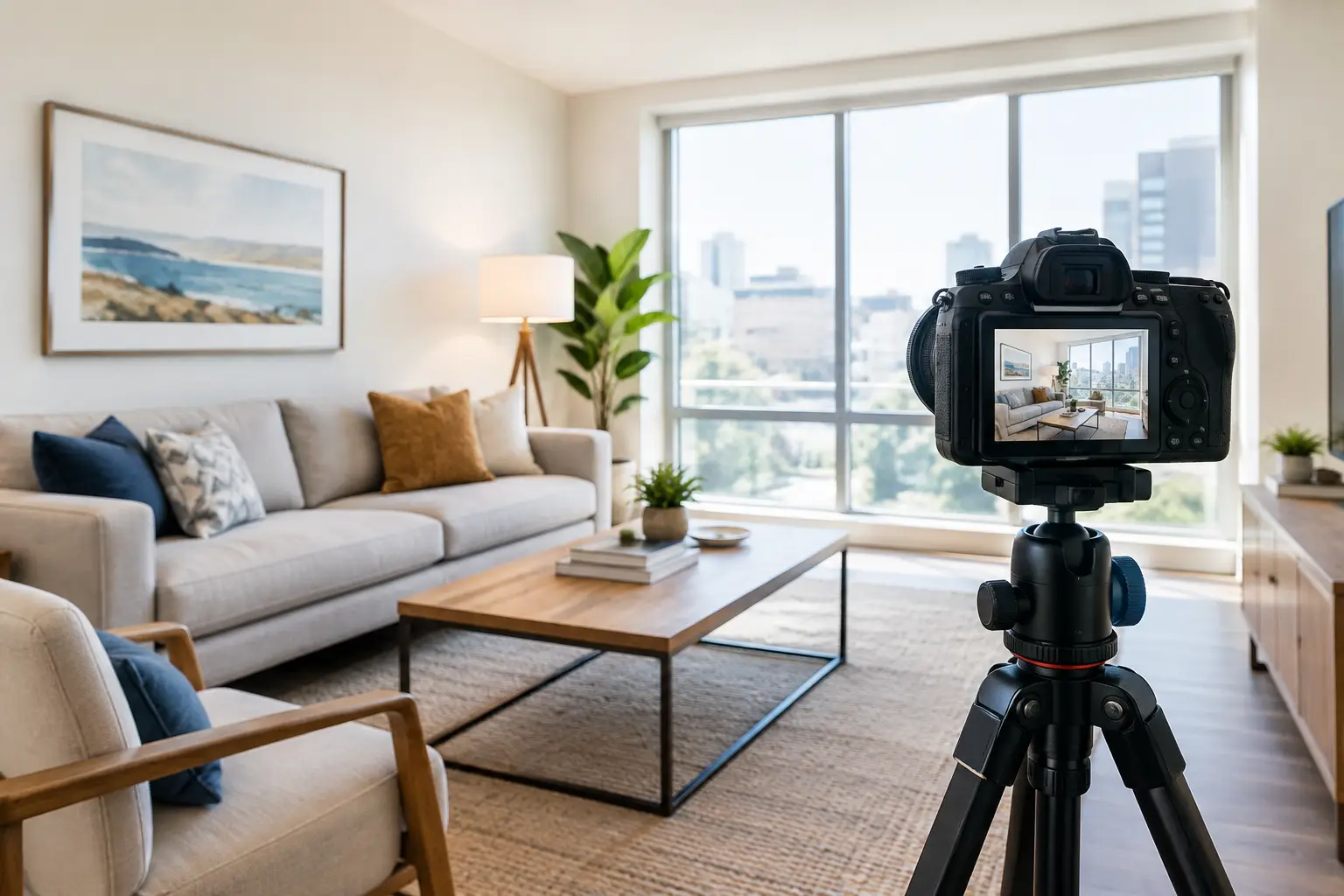
A rental can be clean, well located, and priced correctly, yet still sit vacant if its first impression falls flat online. Before a prospective tenant reads the description or schedules a showing, they decide whether a home is worth their time based on its images. Professional rental listing photography gives owners a practical advantage at that critical moment: it presents the property clearly, accurately, and in a way that encourages qualified renters to take the next step.
For rental owners in Glendale, Burbank, Pasadena, Greater Los Angeles, and the San Fernando Valley, photography is not a cosmetic extra. It is part of the leasing process. Better listing photos can generate stronger early interest, support an appropriate asking rent, and help reduce the costly gap between tenants.
Why Professional Rental Listing Photography Matters
Most renters begin their search on a phone or laptop, often comparing several homes in a few minutes. Dark rooms, tilted angles, cluttered counters, or photos taken late in the day can make a good property feel smaller or less cared for than it truly is. Once a renter scrolls past, the opportunity to explain the home’s strengths may be gone.
Professional photography helps a listing compete for attention without making promises the property cannot keep. The goal is not to disguise wear, stretch room dimensions, or create an unrealistic version of the home. It is to show the best, most accurate presentation of what a qualified tenant will see in person.
That distinction protects the owner as well as the applicant experience. Photos that overstate a property’s condition may drive inquiries, but they can also lead to disappointed showings and wasted time. Clear, polished images help attract renters who understand the home and are genuinely interested in it.
Photography also affects how a rental is perceived financially. A carefully presented home signals that the owner takes maintenance, communication, and the tenancy seriously. While photos alone do not determine tenant quality, they help establish the professional standard surrounding the property from the first interaction.
What Strong Rental Photos Should Accomplish
A useful listing gallery tells a logical story. It should show prospective renters how the property lives, beginning with its exterior or entry and moving through the main living spaces, kitchen, bedrooms, bathrooms, outdoor areas, and notable features. Renters should not have to guess whether there is natural light, usable storage, parking, laundry, or a private yard.
The best images emphasize the features that influence rental decisions. In Southern California, that may mean showing an updated kitchen, a bright living room, central air conditioning, a balcony, a garage, an in-unit washer and dryer, or a functional outdoor space. A photographer does not need to photograph every corner simply because it exists. Each image should answer a likely question or reinforce a meaningful benefit.
Composition matters because it gives viewers context. Wide, level shots help renters understand the layout and scale of a room. Detail images can be useful for a renovated vanity, built-in storage, or quality appliance package, but they should support the gallery rather than replace clear room photos.
Natural light is another important factor. When possible, photography should be scheduled at a time that allows windows and living spaces to appear bright without harsh glare. Interior lighting may be used to create a balanced result, but overly edited images can look artificial and undermine confidence.
Prepare the Property Before the Camera Arrives
Professional equipment helps, but preparation has just as much impact. A photographer can improve angles and lighting. They cannot make overflowing closets, unmade beds, or neglected landscaping look like a well-maintained rental without creating an inaccurate listing.
Before the shoot, the home should be fully rent-ready. Complete repairs, deep clean the property, replace burned-out bulbs, and remove construction materials, cleaning supplies, and personal belongings left behind by a prior tenant. Window coverings should be straight, floors clear, and countertops mostly open. A few simple, neutral touches can make a vacant space feel inviting, but the property should still look like a rental home, not a staged sales brochure.
Exterior preparation deserves the same attention. Trim overgrown landscaping, move trash bins out of sight, sweep walkways, and make sure the front door, house numbers, and entry lighting are presentable. The exterior image often appears first in a listing, so it should give renters a reason to keep looking.
If the property is occupied, planning becomes more sensitive. Current tenants deserve reasonable notice and respect for their privacy. In many cases, it is better to schedule photography after move-out and turnover cleaning. If photos must be taken during occupancy, set clear expectations in advance and avoid including personal documents, family photos, valuables, or anything that could compromise privacy.
Do Not Let “Almost Ready” Become the Listing Standard
Owners sometimes want to begin marketing before final repairs or cleaning are complete. That can be appropriate if the property will be ready shortly and the listing clearly reflects its condition. However, using unfinished photos simply to get online faster can weaken the campaign at the exact time interest is highest.
A better approach is to coordinate the turnover schedule so maintenance, cleaning, photography, and listing activation follow in close order. This reduces the delay between a polished online presentation and a prospective tenant’s ability to tour the home. Fast marketing is valuable, but well-timed marketing is more effective.
Photography Is One Part of a Faster Leasing Process
Professional rental listing photography performs best when it is supported by disciplined leasing operations. An attractive gallery may create inquiries, but delayed responses, unclear rental criteria, poor showing coordination, or incomplete information can still cost an owner qualified applicants.
The listing description should match the photos and clearly communicate the property type, bedroom and bathroom count, major amenities, parking details, pet policy, availability date, and any material rental requirements. Accurate information saves time for everyone. It also helps property managers focus follow-up on applicants who are likely to be a good fit.
Pricing must also align with the market. Strong photos can help a home earn attention, but they do not overcome an asking rent that is out of step with comparable properties, condition, location, or seasonal demand. If activity is limited after a reasonable period, owners should review the entire leasing strategy rather than assuming photography alone is the issue.
At Opus Property Management, marketing is handled as part of a larger owner-focused process that includes property readiness, applicant screening, lease execution, and ongoing communication. That coordination matters because the objective is not simply to create more inquiries. It is to place a qualified tenant and protect the property’s income-producing potential.
Common Mistakes That Reduce Listing Response
The most common mistake is relying on rushed smartphone photos without considering light, angle, or order. A phone can produce good images in capable hands, but quick snapshots often create inconsistent results, especially in smaller rooms or homes with mixed lighting.
Another issue is showing too little. A listing with only an exterior, kitchen, and one bedroom forces renters to fill in too many blanks. On the other hand, a gallery packed with repetitive photos can make a property feel unfocused. A balanced set of images should be complete enough to build confidence and selective enough to maintain attention.
Owners should also avoid heavy filters, distorted wide-angle shots, and outdated photos. If a kitchen has been renovated, flooring replaced, or landscaping improved, the listing should reflect the current condition. If condition has declined since the photos were taken, accuracy is more valuable than a misleading image that creates problems at the showing.
Finally, do not overlook the value of a clean, honest presentation for properties that are not newly renovated. Not every rental needs luxury finishes to lease well. A well-maintained home with clear photos, fair pricing, and responsive management can be highly competitive. The goal is to position the property properly, not to make it appear to be something it is not.
A Better First Showing Starts Online
Every vacant day has a cost, from missed rent to utilities, cleaning, and ongoing upkeep. Professional photos cannot eliminate vacancy by themselves, but they improve the quality of a listing’s first impression and support the work that follows: prompt responses, qualified screening, clear lease terms, and a well-organized move-in.
Before your next rental is listed, look at the photos as a prospective tenant would. If they do not quickly show a clean, cared-for home and a clear reason to schedule a tour, the property may need more preparation before it reaches the market. A thoughtful presentation gives your rental a stronger start and gives you greater confidence in the leasing process.